

When you picture your safari, you probably imagine warm days, incredible wildlife and smooth game drives. What you may not expect are the icy pre-dawn starts, the sharp heat a few hours later or how far you’ll be from the nearest town once you enter the parks. A safari is extraordinary, but it rewards you when you prepare well.
Small details like knowing where photography is restricted, how tipping works, or what clothing actually keeps you comfortable can shape your entire trip. These African safari travel tips are here to give you clear, grounded guidance so you avoid surprises and enjoy every moment.
1. Understanding Your Destination Country
Before you think about game drives or photography, it helps to understand the country that will host your safari. Each destination—whether Kenya, Botswana, Zambia or South Africa—has its own history, governance and cultural rhythm that shapes how you experience your trip.
Political Structure
Most safari destinations operate under stable systems. Kenya and South Africa are democratic republics with elected governments, while Eswatini remains a monarchy. Understanding this gives you context for how laws, park regulations and general governance influence your travel experience.
A Brief History That Shapes Your Trip
- Colonial Influence: Many African countries experienced European colonial rule, and its legacy still affects infrastructure, conservation policies and how national parks were established.
- National Parks Legacy: Early conservation efforts in countries like Kenya, Botswana and Tanzania created well-regulated parks with strong wildlife protection, clear rules and well-maintained access routes.
- Cultural Diversity: These countries are home to multiple ethnic communities, each with its own customs, languages and traditions. This diversity shapes greetings, food, communication styles and daily interactions.
Cultural Norms That Matter to Travelers
- Warm Greetings: A simple hello goes a long way and sets a respectful tone.
- Respect for Expertise: Guides and lodge staff are trained professionals who value recognition of their work.
- Community Etiquette: Show genuine interest, ask questions politely and avoid rushing interactions when visiting local communities.
Why Understanding This Helps
A basic grasp of the country’s history, governance and cultural expectations helps you navigate your safari with confidence. It builds smoother interactions, prevents misunderstandings and enriches every moment you spend with the people who make your journey possible.
2. Entry Requirements & Travel Documents
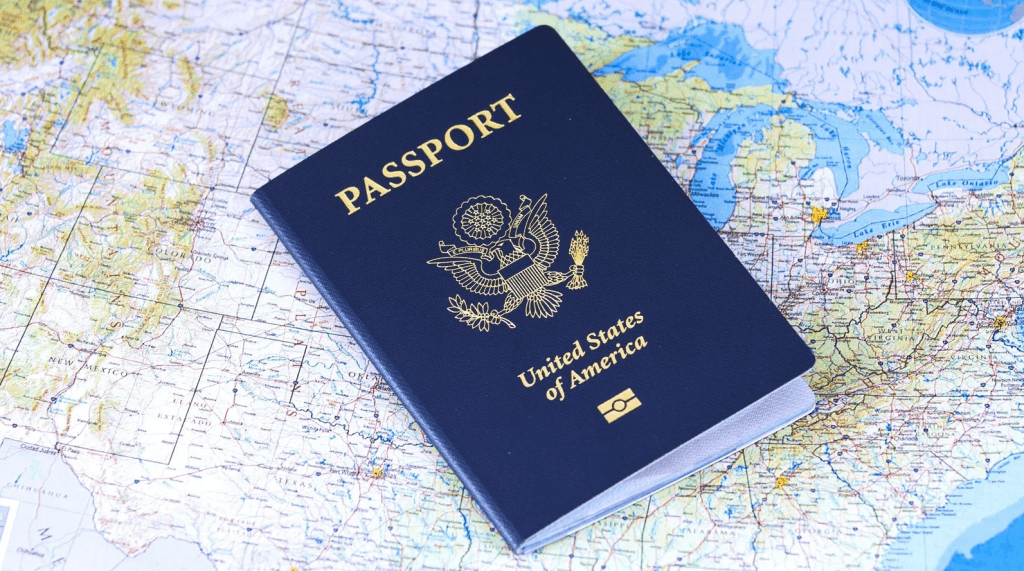
Before you board your flight, make sure your documents match the requirements of the country you’re visiting. Safari destinations often share similar rules, but each has its own specifics that you should confirm early.
Passport Validity
Most African countries require your passport to be valid for at least six months beyond your travel dates.
Always check this first—many travelers are turned away at the airport because their passport is just a few days short.
Visa Requirements
- eVisa Systems: Kenya, Tanzania, Uganda, Zambia and Rwanda use online visa applications.
- Visa on Arrival: Some countries still allow it, but it’s safest to apply online before traveling.
- Regional Visas: The East Africa Tourist Visa allows entry into Kenya, Uganda and Rwanda on one visa.
The key step is confirming your nationality’s rules, because requirements vary widely between countries.
Yellow Fever & Health Documentation
- Some destinations require a Yellow Fever vaccination certificate, especially if you’re coming from or transiting through a high-risk country.
- Example: A short transit through Ethiopia or Uganda may still trigger the requirement when landing in Kenya.
Carry your vaccination card with your passport at all times.
Internal Flights & Baggage Rules
Safari flights (like those in Kenya, Tanzania or Botswana) often use small aircraft.
- Soft bags are required.
- Weight limits range between 15–20 kg, including carry-on.
- Oversized luggage may not be accepted at all.
Knowing this early prevents stressful repacking at the airport.
Travel Insurance
Many parks and lodges are hours from medical facilities. Travel insurance isn’t just recommended—it’s essential.
Choose a plan that covers medical evacuation, trip delays and lost luggage.
Why This Matters
Having the right documents isn’t a formality. It determines whether you’re allowed to board, how smoothly you enter the country and how well protected you are throughout your safari. Preparing early keeps you out of last-minute airport problems and lets you focus on the adventure ahead.
3. Health & Safety Essentials
A safari is an outdoor experience from start to finish. You’ll be exposed to heat, dust, early mornings, wildlife and long hours in remote areas. Preparing for this in advance makes your trip far more comfortable and safer.
Vaccinations & Health Prep
Most safari destinations recommend being up to date on routine vaccines. Some regions may advise additional ones depending on your itinerary.
Always check your destination’s current health advisories at least a month before travel so you have time to get anything you need.
Malaria Prevention
Many safari areas fall within malaria zones.
- Your doctor may prescribe preventive medication.
- Carry insect repellent with DEET.
- Wear long sleeves and trousers in the evenings when mosquitoes are most active.
These small steps make a noticeable difference, especially on multi-day safaris.
Food & Water Safety
Lodges generally maintain high hygiene standards, but it still helps to be cautious:
- Drink filtered or bottled water rather than tap water.
- Use the same water for brushing your teeth if you’re staying in remote camps.
- Eat food that’s freshly cooked and served hot.
Travelers often underestimate how sensitive their stomach can be in new environments.
Managing Heat, Cold & Altitude
Safari days can be unpredictable.
- Mornings: Cold enough to need a fleece, hat or gloves.
- Afternoons: Hot, especially in places like Amboseli or the Lower Zambezi.
- Higher elevations: Areas like the Ngorongoro Crater can be surprisingly chilly.
Packing layers is the simplest way to stay comfortable.
Basic First Aid & Personal Medication
Bring any medication you take regularly, plus a small kit with painkillers, antihistamines, motion-sickness tablets and rehydration salts.
Most lodges are remote, and pharmacies are far away, so it’s better to carry what you may need.
Why This Matters
Good health preparation isn’t about being overly cautious. It’s about ensuring nothing interrupts your safari experience. When you manage your health from the start, you stay comfortable, alert and ready for every moment—from sunrise game drives to late-night campfire stories.
4. Electricity & Charging Devices
Electricity in safari destinations can feel very different from what you’re used to at home. Some camps are fully powered; others rely on generators or solar systems with limited hours. Knowing this early helps you plan how to charge your essential devices.
Voltage & Plug Types
Most East and Southern African countries use 220–240V power.
Common plug types include:
- Type G (UK-style) in Kenya, Uganda and Tanzania
- Type M or D in South Africa, Botswana and Namibia
Carry a universal adapter so you’re covered wherever you go.
Generator and Solar-Powered Camps
In remote safari camps, electricity may not run 24/7.
- Some have power only in the mornings and evenings.
- Others switch to solar during the day, meaning high-wattage devices may not work.
- Charging points may be located in the main lounge rather than in rooms.
This is normal in wilderness lodges, where conservation and low-impact operations come first.
Charging Cameras & Phones
Photography is a major part of safaris, so plan carefully:
- Charge your camera batteries whenever power is available.
- Bring extra batteries and memory cards—wildlife sightings can be unpredictable.
- Keep a power bank for your phone, especially during long game drives.
Safari vehicles rarely have reliable charging ports, even when they’re advertised.
Using High-Wattage Devices
Travel hairdryers, straighteners or electric kettles often won’t work in eco-camps.
The power systems simply aren’t built for them. If a lodge provides a hairdryer, use theirs instead of your own.
Why This Matters
Electricity on safari is functional but not unlimited. When you understand how it works, you avoid dead batteries, missed photos and frustration. Planning ahead keeps your camera ready, your devices charged and your experience uninterrupted from one breathtaking sighting to the next.
5. Water Safety

Water safety on safari isn’t complicated, but it’s important. You’ll move between cities, lodges and remote camps, and each handles water differently. Knowing what’s safe to drink and what’s not keeps you comfortable throughout your trip.
Drinking Water
Most lodges provide filtered or bottled water for drinking.
Tap water in major cities may be treated, but it’s still safer to stick to purified water, especially if you’re not used to the local supply.
Brushing Your Teeth
In remote camps, use the same filtered or bottled water for brushing your teeth.
It’s a small adjustment that prevents unnecessary stomach issues during your safari.
Ice and Beverages
Many safari lodges make ice using purified water, but it’s always fine to ask. Staff are used to the question and will gladly clarify.
If you’re unsure, skip ice in your drink—especially on travel days.
Refillable Bottles
Eco-friendly lodges encourage guests to carry refillable bottles.
You can top up before game drives, between meals and at the main lounge. This reduces plastic waste and keeps you hydrated in the heat.
Water Around Camps
Don’t drink from rivers, streams or natural water sources, no matter how clean they look.
They may contain parasites or bacteria that aren’t visible to the eye.
Why This Matters
Even mild dehydration or stomach discomfort can derail a day of game drives. Paying attention to water safety keeps you hydrated, healthy and ready to enjoy every moment of your safari without worrying about avoidable health issues.
6. Currency, Payments & Handling Money

Money works a little differently when you’re moving between cities, parks and remote lodges. Some places take cards with no problem, while others only accept cash. Knowing how to manage your money early keeps your trip smooth from start to finish.
Local Currency Basics
Each country has its own currency:
- Kenya → Kenyan Shilling
- Tanzania → Tanzanian Shilling
- Botswana → Pula
- South Africa → Rand
- Zambia → Kwacha
You don’t need large amounts of local currency, but having some on hand is helpful for smaller expenses.
Where Cards Work
Most city hotels, airports and high-end lodges accept major debit and credit cards.
However, small shops, roadside markets and some remote properties may prefer cash.
It’s wise to withdraw or exchange money in the city before heading into the parks, where ATMs are rare.
Cash for Small Purchases
Keep a modest amount of cash for:
- Curio shops
- Roadside produce or souvenirs
- Tips (when required)
- Small meals or snacks during transfers
Break large notes into smaller ones before leaving urban areas.
Avoiding Hidden Fees
Airports often have higher exchange rates. Using an ATM in town is usually cheaper.
If your card charges international fees, consider using a travel card or notifying your bank before travel to avoid blocks.
Safety When Carrying Money
- Keep money in a discreet pouch or zipped pocket.
- Don’t flash cash in busy areas.
- Use your lodge’s safe for any extra currency.
A little caution goes a long way when traveling between cities and rural areas.
Why This Matters
Managing your money well keeps small transactions stress-free and prevents delays. When you know where cards work, where they don’t and how much cash to carry, you move through your safari comfortably and with fewer surprises.
7. Clothing: What to Wear and What to Avoid
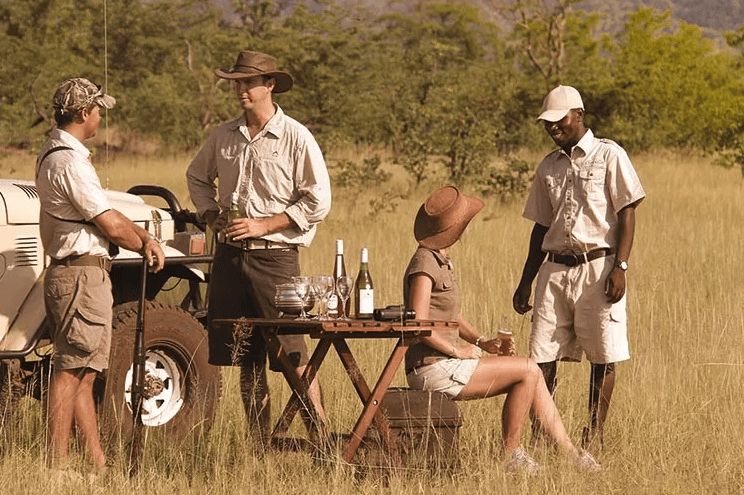
What you pack can make your safari far more comfortable. Safari days swing from cold to hot, dusty to breezy, and you’ll spend long hours outdoors. The right clothing helps you adapt without overpacking.
Stick to Earth Tones
Neutral colors like olive, brown, tan and khaki blend well with the environment.
These tones keep you cooler and attract fewer insects. Bright colors, especially white or neon shades, can stand out sharply in the bush.
Dress in Layers
Safari temperatures change quickly:
- Early mornings: Cold enough to need a fleece, scarf or light gloves.
- Afternoons: Warm and sometimes very hot.
- Evenings: Comfortable but can cool down once the sun sets.
Layering lets you adjust throughout the day without carrying bulky jackets.
Lightweight, Breathable Fabrics
Choose breathable cotton, moisture-wicking shirts and light trousers.
They keep you comfortable during long game drives and protect your skin from the sun and insects.
Footwear That Works
Closed shoes or sturdy trainers work well for standard safaris.
If you’re doing walking safaris, pack comfortable hiking boots.
Avoid heels or open sandals for bush activities—they’re impractical and unsafe around uneven terrain.
Avoid Camo Clothing
In some countries, camouflage patterns are restricted to military use.
Even where it’s allowed, it draws unnecessary attention. Stick to plain earth tones.
A Wide-Brimmed Hat
The sun can be intense, especially around midday.
A wide-brimmed hat protects your face, neck and ears far better than a baseball cap.
What Not to Pack
- Heavy winter coats
- Excessive jewelry
- Short shorts for game drives (the seats can get very hot)
- Tight, non-breathable clothes
- Fancy evening wear unless your lodge specifically hosts formal dinners
Why This Matters
Comfort on safari is about practicality, not fashion. When you pack the right layers and colors, you stay comfortable from sunrise to sundown and avoid the small frustrations that can distract from the wildlife experience.
8. Photography Rules & Restrictions
Photography is a major part of your safari, but not every moment or location is open for the camera. Knowing where and when you can shoot keeps you respectful of local laws and ensures your experience remains smooth.
Where Photography Is Not Allowed
Several areas across Africa have strict no-photography rules:
- Military sites, border posts and government buildings
- Certain airports or security checkpoints
- Some police stations or roadblocks
These restrictions apply for security reasons. Taking photos in these areas can lead to fines or confiscation of your device, so it’s best to ask if you’re unsure.
Wildlife Photography Etiquette
- Turn off your flash. Flash can startle wildlife and ruin sightings for others.
- Stay inside the vehicle. Leaning out or standing on the roof can disturb animals and create safety risks.
- Keep noise low. Sudden sounds scare animals, especially during close sightings.
- Follow your guide’s lead. They understand animal behavior and will position the vehicle safely for good photos.
Your guide’s judgment is always the priority.
Drones
Many national parks ban drones entirely to protect wildlife and maintain silence.
Even where drones are allowed, permits are usually required, and they can be costly or difficult to obtain. Bring one only if you’ve confirmed the rules in advance.
Photographing Local Communities
Always ask before photographing people.
In many cultures, taking a photo without permission is considered disrespectful. A quick, polite request makes the interaction smoother and often leads to a more authentic moment.
Protecting Your Gear
Dust, heat and movement inside the vehicle can be tough on equipment.
Use a lens cloth, keep your camera in a padded bag during bumpy drives and carry a dry bag if you expect rain.
Why This Matters
Good photography isn’t just about capturing great images. It’s about respecting the places and people you’re visiting. Understanding these rules helps you avoid uncomfortable situations and ensures your memories are captured responsibly.
9. Personal Security & Situational Awareness
Safaris are generally safe, but the environment changes quickly as you move from cities to rural parks. Being aware of your surroundings helps you stay comfortable and confident wherever you go.
City vs. Bush: Different Safety Profiles
Your arrival city—whether Nairobi, Johannesburg or Lusaka—has the same basic safety considerations as any major urban center.
Stay alert in crowded areas, keep valuables hidden and use registered taxis or transfers arranged by your lodge or operator.
Once you’re in the bush, the risks shift from urban theft to wildlife proximity and rough terrain. Awareness becomes more about understanding the environment rather than avoiding people.
Night Movement in Lodges
Many lodges are unfenced, meaning wildlife can wander through at any time.
Always ask for an escort if you’re walking around after dark. Staff know the paths and check for animals before moving you between your tent and the main area.
Guests often underestimate how close elephants, buffalo or hippos can come at night.
Vehicle Rules During Game Drives
Staying inside the vehicle is one of the simplest safety measures on safari.
Animals see vehicles as one object; standing up, leaning out or breaking the silhouette can change how they perceive you. Your guide will always position the vehicle safely—trust their judgment.
Managing Valuables
- Keep passports, cash and electronics in a lodge safe.
- When traveling between locations, carry valuables in a discreet daypack.
- Avoid displaying expensive technology in crowded city areas.
Simple habits prevent unnecessary attention.
Common-Sense Awareness
- Don’t wander off alone on lodge grounds.
- Follow staff instructions during walks or transfers.
- Listen carefully during safety briefings, especially near water or in heavily wooded areas.
These small, practical steps are enough to keep you safe in most situations.
Why This Matters
Being security-conscious doesn’t mean being fearful. It means understanding where you are and how to move through different environments responsibly. With a little awareness, you can relax, enjoy your safari and trust the people guiding you.
10. Tipping Guidelines: Drivers, Porters & Lodge Staff
Tipping isn’t mandatory on safari, but it’s an important part of how staff are appreciated for their work. Guides, porters and lodge teams often work long hours to make your trip comfortable, so knowing the appropriate amounts helps you show gratitude in a fair and respectful way.
Safari Driver-Guides
Driver-guides are with you throughout your trip, handling long drives, wildlife interpretation and safety.
A fair tip is:
- USD $10–$20 per guest per day
Give the tip directly at the end of your safari or final game drive.
Lodge Staff
Many lodges operate with a shared tipping system, where staff split tips placed in a communal box.
This covers room attendants, kitchen staff, waiters and behind-the-scenes teams who contribute to your stay.
- A typical amount is USD $5–$10 per guest per night in the general tip box.
If a particular staff member goes above and beyond, it’s fine to hand them a small additional tip discreetly.
Porters
Porters help with luggage during check-in, check-out and internal flights.
A standard tip is:
- USD $1–$2 per bag, depending on the effort required.
Restaurant & Bar Service
In city restaurants and lodges with à la carte dining, tipping follows standard hospitality norms:
- 5–10% of the bill, unless service is already included.
Guided Activities
If you take part in extra activities—bush walks, cultural visits, boat safaris or birding tours—tipping the guide $5–$10 per guest is appreciated.
Currencies for Tipping
US dollars are widely accepted in safari regions.
Just make sure your notes are clean and printed after 2006, as older notes may be rejected.
Why This Matters
Good tipping isn’t about spending more—it’s about understanding how the safari industry works and acknowledging the people who make each moment safe, smooth and memorable. When you know who to tip and how much, you move through your safari with confidence and genuine appreciation.
Conclusion: A Well-Prepared Safari Is a Better Safari
A safari becomes truly memorable when you understand the rhythm of the destination. The early mornings, shifting temperatures, cultural norms, tipping expectations and park rules all influence your comfort far more than most travelers realize. When you prepare well, you move through each day with ease and stay present for the wildlife and landscapes that make East Africa extraordinary.
These african safari travel tips are meant to give you that clarity and confidence. And if you want a safari planned with this level of detail, we at The Mara Wanderlust can help you craft a seamless journey across Kenya, Uganda or Tanzania. With the logistics handled and every step tailored to your style of travel, you’re free to focus on what truly matters—the sights, the sounds and the moments that stay with you long after the safari ends.
