
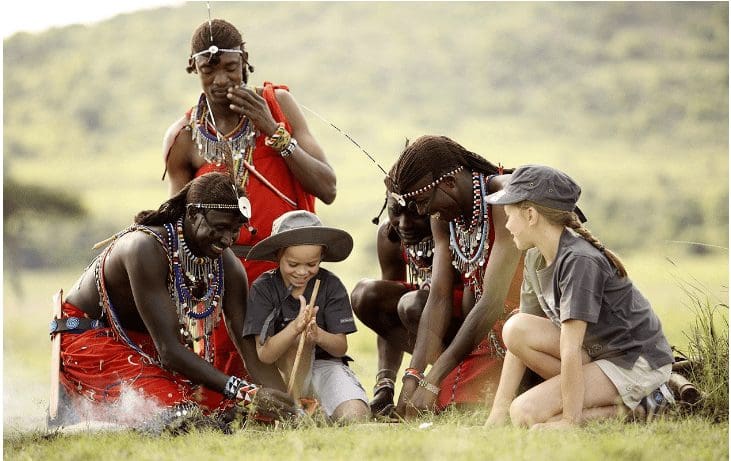
Imagine stepping into a village where traditions date back centuries, and life moves to a rhythm that honors the earth, community, and heritage. Visiting a Maasai village offers just that—a rare opportunity to witness the daily lives of one of East Africa’s most iconic indigenous groups. Beyond the breathtaking landscapes of the Masai Mara, you’ll find a people deeply rooted in their customs, from their communal living arrangements to their vibrant beadwork and distinctive ceremonies. This cultural encounter goes beyond mere observation, inviting visitors to connect with the Maasai’s way of life, spiritual beliefs, and rich history, creating a lasting impression and a newfound appreciation for this remarkable community.
Arriving at the Village

Upon arriving at a Maasai village, you are greeted with a vibrant and heartfelt welcome ceremony. The villagers, adorned in colorful shukas and traditional beadwork, gather to perform songs and dances that reflect the joy of your visit. The rhythmic chants and lively jumping dance, known as the adumu, create an immediate sense of energy and connection.
As you take in the surroundings, the village layout reveals a circular arrangement of huts, or manyattas, made from mud, sticks, and cow dung. These homes are modest yet practical, designed to withstand the elements, symbolizing the Maasai’s deep-rooted relationship with nature. The openness of the village reflects their communal lifestyle and the central role that cattle play in their daily lives.
Meeting the Maasai People
Meeting the Maasai people is one of the most rewarding parts of your village visit. You’ll have the chance to interact with Maasai elders, revered for their wisdom and knowledge of traditions that have been passed down for generations. The warriors, or morans, share fascinating stories of bravery and their role in protecting the village and herding cattle.
As you observe the daily lives of Maasai women and children, you gain a deeper understanding of their roles within the community. Women are the backbone of Maasai society, responsible for building the homes, preparing meals, and caring for the children. Meanwhile, children often help with herding cattle and learning essential skills from a young age.
You are encouraged to ask questions, whether it’s about Maasai customs, their connection to nature, or their unique way of life. This open exchange provides an authentic cultural experience, allowing you to learn directly from the Maasai and gain meaningful insights into their proud heritage.
Exploring Maasai Culture and Traditions
The Maasai follow a structured system of age-set ceremonies that mark significant life transitions, from childhood to adulthood. These ceremonies, such as circumcision and warrior initiations, play an essential role in shaping the identity and responsibilities of each individual within the community. Elders hold wisdom and authority, while warriors defend the village and tend to the cattle, the lifeblood of Maasai society.
Maasai clothing and adornments are equally symbolic. The iconic red shuka worn by Maasai men serves as a mark of identity and protection from wild animals. The intricate beadwork and jewelry worn by both men and women have deep cultural significance, often representing age, marital status, and beauty. Beads are meticulously crafted in bright colors, reflecting Maasai artistry and tradition.
The Maasai’s diet is another important aspect of their culture, largely centered around their cattle. Milk, meat, and blood from the livestock form the staple of their diet. Drinking cow’s blood, in particular, is considered a valuable source of nutrition and strength, especially during special occasions and ceremonies. This unique relationship between the Maasai and their cattle highlights the profound connection between their livelihood and survival.
Participating in Maasai Activities
Engaging in Maasai activities offers visitors an opportunity to experience daily life firsthand and connect with the cultural heritage of this remarkable community. From dancing alongside Maasai warriors to learning essential survival skills, these activities bring the traditions of the Maasai to life.
Traditional Dance Participation
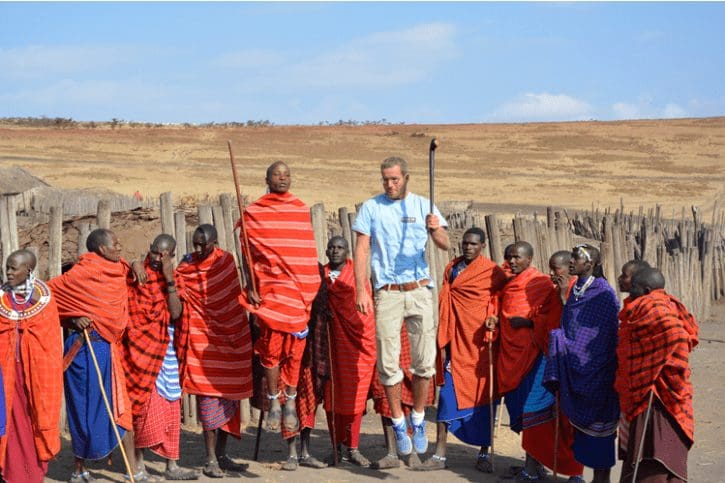
Join the Maasai in their famous jumping dance, adumu, a symbol of strength and energy. As you participate in the rhythmic movements and chanting, you’ll feel the powerful connection between the Maasai people and their ancestral traditions. The dance is not only a performance but also a way of bonding with the community.
Learning Warrior Skills
Ever wonder what it takes to be a Maasai warrior? You’ll have the chance to learn basic warrior skills, such as spear throwing and understanding the tactics used to protect their cattle. These skills have been honed for generations and are integral to the Maasai’s way of life.
Observing or Helping with Daily Tasks
For a deeper immersion, you can observe or even participate in everyday tasks, like herding cattle. Herding is a central aspect of Maasai life, and helping with these tasks offers insight into the deep bond they share with their livestock and the land.
Optional Workshops
Visitors can also take part in hands-on workshops, such as beadmaking, where you can create your own Maasai jewelry, or learn the ancient skill of fire-starting using traditional methods. These activities provide a unique souvenir of your visit and a lasting connection to Maasai culture.
This interactive experience not only enhances your understanding of Maasai traditions but also fosters meaningful engagement with the community.
Tour of the Manyatta (Maasai Homes)
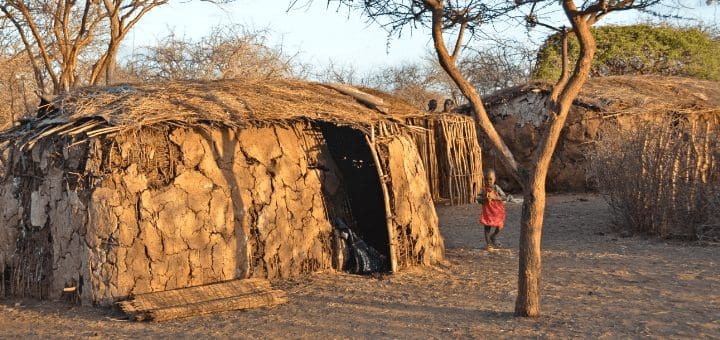
A tour of the manyattas, the traditional Maasai homes, provides fascinating insight into the resourcefulness and deep connection the Maasai people have with their environment. These homes are built using locally sourced natural materials such as mud, sticks, and cow dung, which are carefully layered to create sturdy, weather-resistant structures. The construction process is typically carried out by Maasai women, who pass down this skill through generations.
The manyatta is designed with practicality in mind, with its small size helping retain warmth during cooler nights. Inside, the layout is simple yet functional, often consisting of separate areas for cooking, sleeping, and storing food.
Communal living is at the heart of Maasai society, and the manyattas are arranged in a circular fashion within a protective enclosure to ensure the safety of both the people and their livestock. Cattle, in particular, hold immense importance in Maasai households, serving as a primary source of food and wealth. The central kraal, or cattle pen, is strategically placed within the village, reflecting the deep interdependence between the Maasai and their herds. This living arrangement highlights the strong sense of community and shared responsibility that defines Maasai life.
Learning About Maasai Spiritual Beliefs
The Maasai people have a deep spiritual connection to nature, which is reflected in their religious beliefs and practices. Their spirituality revolves around Enkai (also known as Engai), the supreme god, who is believed to be the creator and provider of life. This strong bond with nature influences many aspects of Maasai life, from their rituals to their respect for the land and animals.
The Role of the Laibon (Spiritual Leader)
At the heart of Maasai spiritual life is the Laibon, the revered spiritual leader. The Laibon acts as a mediator between the Maasai people and Enkai, offering guidance, performing rituals, and interpreting divine signs. They play a vital role in important events such as blessings, healing ceremonies, and conflict resolution, providing spiritual direction and protection to the community.
Sacred Practices and Rituals
Sacred rituals are an integral part of Maasai life, often tied to important life stages such as birth, initiation, marriage, and death. These ceremonies are conducted to seek blessings, protection, and prosperity from Enkai. Cattle, regarded as sacred, play a significant role in these rituals, symbolizing wealth, life, and sustenance. Through these practices, the Maasai maintain their spiritual balance and honor their deep connection to both their god and the natural world around them.
Supporting the Maasai Through Handicrafts
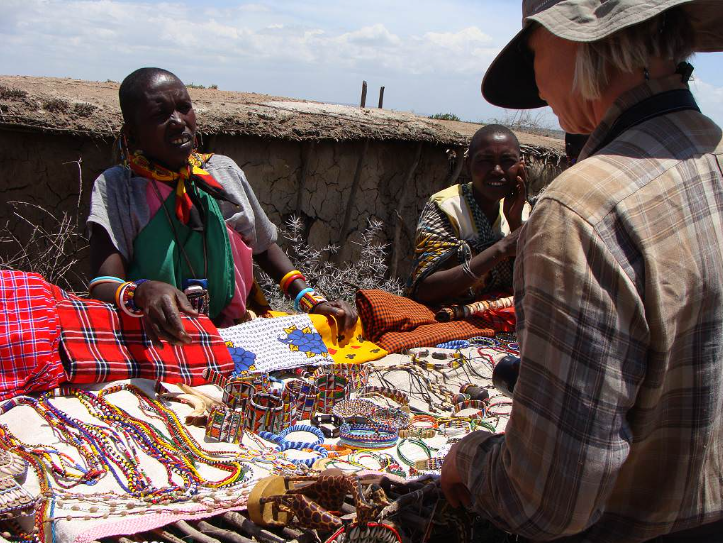
One of the most meaningful ways visitors can support the Maasai is by purchasing their beautifully crafted handmade items, such as intricate beadwork, jewelry, and other traditional crafts. These vibrant pieces are not only a reflection of Maasai artistry but also carry deep cultural significance, with each design and color representing different aspects of their heritage.
Supporting the Local Maasai Community
When you buy these crafts, you’re directly contributing to the livelihoods of Maasai artisans, especially women, who rely on selling their creations to sustain their families. Your purchases help empower these communities by providing them with a source of income, which is used to meet daily needs, educate children, and maintain their traditional way of life.
Ethical Tourism and Preserving Maasai Traditions
Buying authentic Maasai handicrafts is also a way to engage in ethical tourism, which encourages sustainable and respectful travel practices. By supporting Maasai artisans, you play a part in preserving their traditions and ensuring that their unique cultural identity thrives for future generations. Ethical tourism ensures that your visit benefits the local people while helping to maintain the cultural heritage of the Maasai.
Cultural Sensitivity and Etiquette
Visiting a Maasai village is a unique cultural experience that calls for respect and mindfulness. To ensure your visit is both meaningful and considerate, it’s important to follow certain guidelines that reflect an understanding of Maasai customs and values.
Do’s and Don’ts
- Do ask permission before taking photos, especially of individuals. Some Maasai may be uncomfortable with having their picture taken.
- Don’t assume everyone will speak English. A guide can help translate, but showing patience and appreciation for their language is respectful.
- Do dress modestly out of respect for Maasai traditions. While you are not expected to wear traditional attire, covering your shoulders and knees is a good rule of thumb.
- Don’t point at people or things with your finger, as it may be considered impolite. Instead, gesture with your entire hand.
The Importance of Open-Mindedness and Learning
Approaching the experience with an open mind is essential. The Maasai way of life is different from what many visitors may be used to, and being open to learning about their customs, beliefs, and daily routines allows for a deeper connection. Take the opportunity to ask thoughtful questions and listen with humility. This cultural exchange is not only about observation but also about mutual respect and understanding, ensuring your visit leaves a positive impact on both you and the community.
Conclusion: A Journey of Cultural Discovery
Visiting a Maasai village offers an unforgettable glimpse into one of Africa’s most iconic cultures. From witnessing traditional dances to engaging with Maasai warriors and elders, visitors can expect a deeply enriching experience that showcases the Maasai’s unique customs and close bond with nature. Approaching this visit with respect and curiosity will foster meaningful connections and allow for a deeper understanding of their way of life. The knowledge gained from this cultural immersion will stay with you long after the visit, offering lasting insight into the beauty and resilience of the Maasai people.
FAQs
What should I wear when visiting a Maasai village?
It is recommended to dress modestly, covering your shoulders and knees. While there’s no strict dress code, respectful attire helps honor the Maasai culture and traditions.
Can I take photos during my visit to a Maasai village?
Yes, but always ask for permission before taking photos of individuals or during certain ceremonies. Some Maasai may feel uncomfortable with photography, so it’s important to be respectful.
What activities can I participate in during my visit?
Visitors can engage in traditional dances, learn warrior skills like spear throwing, observe or help with herding cattle, and take part in workshops such as beadmaking or fire-starting techniques.
How does purchasing Maasai crafts support the community?
Buying authentic Maasai beadwork, jewelry, and crafts provides income to local artisans, particularly women, helping them support their families and preserve their cultural heritage.
Is it appropriate to ask questions about Maasai traditions and lifestyle?
Absolutely! The Maasai are usually open to sharing their culture with visitors. Thoughtful questions about their customs, daily life, and beliefs are welcomed and can enhance your cultural experience.
